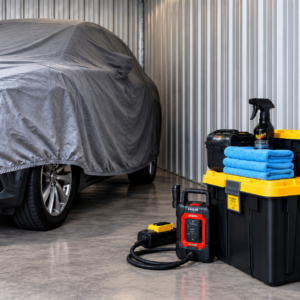
Does Renters Insurance Cover Storage Units?
Does renters insurance cover storage units? In many cases, a renters insurance policy may provide some coverage for personal belongings kept in a self storage unit. However, the amount of coverage, covered losses, deductibles, exclusions, and limits can be different from the protection you have for belongings kept inside your home or apartment.
The same is true for homeowners insurance. Some policies may extend coverage to belongings stored away from your home, but you should never assume your storage unit is automatically covered.
Before moving your belongings into storage, contact your insurance provider and ask specifically about off-premises personal property stored in a self storage unit.
Important: Storage Kings cannot determine whether your individual insurance policy covers your stored belongings. Insurance policies and circumstances vary, and the information below is for general educational purposes only. It is not legal, insurance, or financial advice.
Does Homeowners Insurance Cover Storage Units?
Homeowners insurance may provide coverage for personal belongings kept in a storage unit, but coverage depends on the specific policy.
Some homeowners policies include off-premises personal property coverage, which may apply when belongings are temporarily or permanently stored somewhere other than your home.
However, the amount of coverage available for property away from your residence may be subject to different limits or conditions. The types of losses covered can also vary.
Before relying on homeowners insurance, ask your insurer:
- Does my policy cover belongings kept in a self storage unit?
- What is the coverage limit for property stored away from my home?
- What types of losses are covered?
- What exclusions apply?
- What deductible would I pay if I filed a claim?
- Are certain types of property subject to separate limits?
- Do I need to notify you that I'm using a storage unit?
Getting those answers directly from your insurer is much more reliable than assuming your existing coverage applies.
Do All Storage Units Require Insurance?
No universal rule applies to every self storage facility or every rental agreement.
Insurance requirements can depend on the storage facility, rental agreement, type of unit, belongings being stored, and other circumstances.
Before renting, review the current Storage Kings rental agreement and ask our team about any insurance requirements that apply to your specific rental.
Separately, check your renters or homeowners policy to determine whether your stored belongings are already covered and whether that coverage is sufficient for what you plan to store.
Storage security and personal property insurance are two different things. Facility security features do not replace insurance coverage for your belongings.
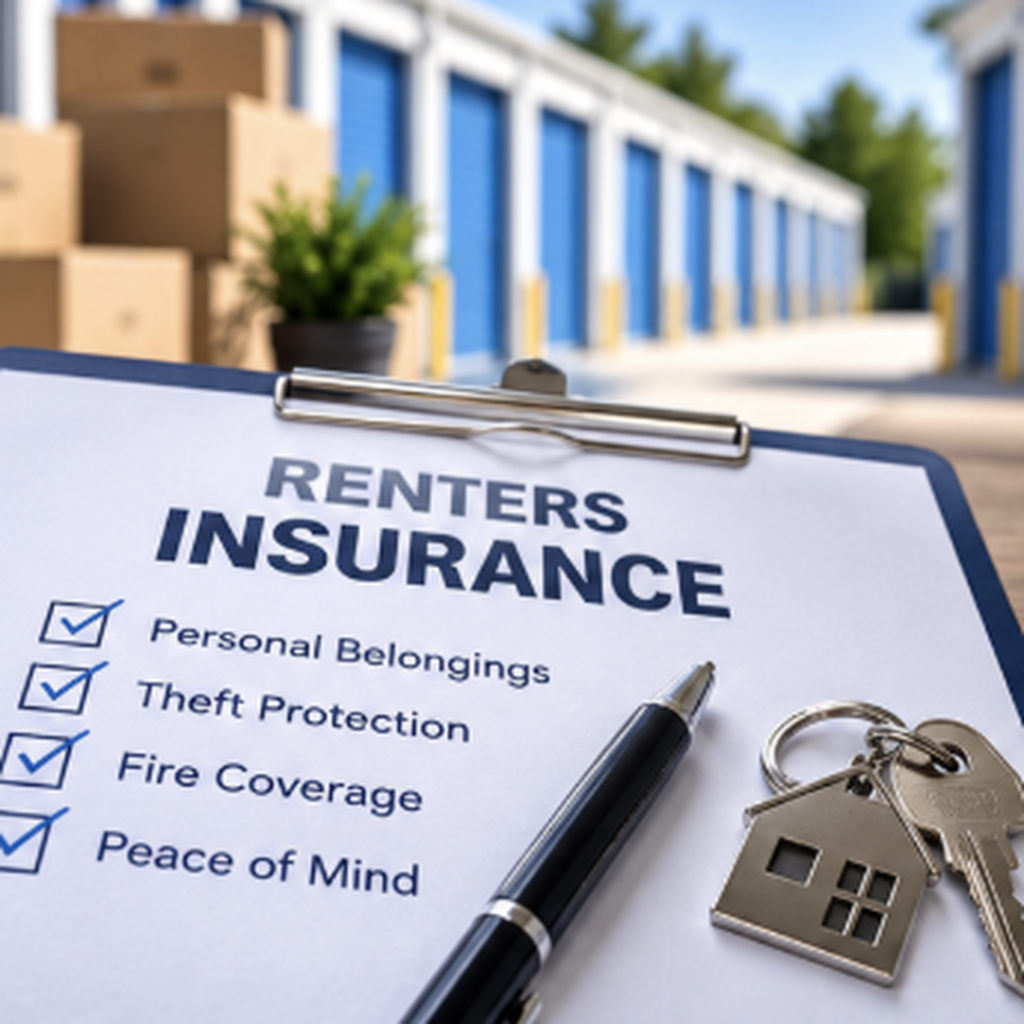

Homeowners Insurance for a Storage Unit
If you already have homeowners insurance, start with your current insurer before purchasing separate coverage for belongings in a storage unit.
Ask specifically whether your policy provides off-premises personal property coverage and how that coverage applies to self storage.
Don't stop at a simple yes-or-no answer.
For example:
Imagine that the belongings in your storage unit would cost $2,000 to replace. Knowing that your homeowners policy provides some off-premises coverage isn't enough.
You also need to know whether the applicable limit would cover the full $2,000, which losses qualify, what deductible applies, and whether particular belongings have lower limits.
Make an inventory of what you're storing and estimate its replacement value. Photos, receipts, serial numbers, and other records may also be useful if you ever need to document what was stored.
For questions about your specific coverage, speak directly with your insurer or a licensed insurance professional.
Cheapest Storage Unit Insurance
The cheapest storage unit insurance isn't necessarily the option that gives you the protection you need.
Price matters, but compare the actual coverage.
When comparing coverage, look at:
- Coverage limit
- Deductible
- Covered causes of loss
- Exclusions
- Special limits for certain property
- Whether the policy applies to the belongings you plan to store
You should also determine whether you already have applicable coverage through a renters or homeowners policy.
Buying additional coverage without first checking your existing policy could mean paying for protection you don't need—or assuming you're protected when your existing policy isn't sufficient.
Don't compare insurance based on monthly price alone. Compare the coverage with the actual value and type of property you're putting into storage.
Does Homeowners Insurance Cover Self Storage Units?
It may, depending on your policy.
The important distinction is that insurance generally covers qualifying personal property and losses, not the physical storage unit itself in the way the phrase “cover a storage unit” might suggest.
If you're asking, “Does my homeowners insurance cover my belongings in a self storage unit?”, the answer has to come from your individual policy and insurer.
Ask your insurer to explain:
- Your off-premises coverage limit
- Your deductible
- Which losses are covered
- Which losses are excluded
- Whether special limits apply to particular belongings
- Whether storage lasting several months changes the coverage
- Whether you need to notify the insurer about the storage unit
Don't rely on a general internet article—including this one—to determine whether a specific loss would be covered. Your actual insurance policy and insurer determine your coverage.
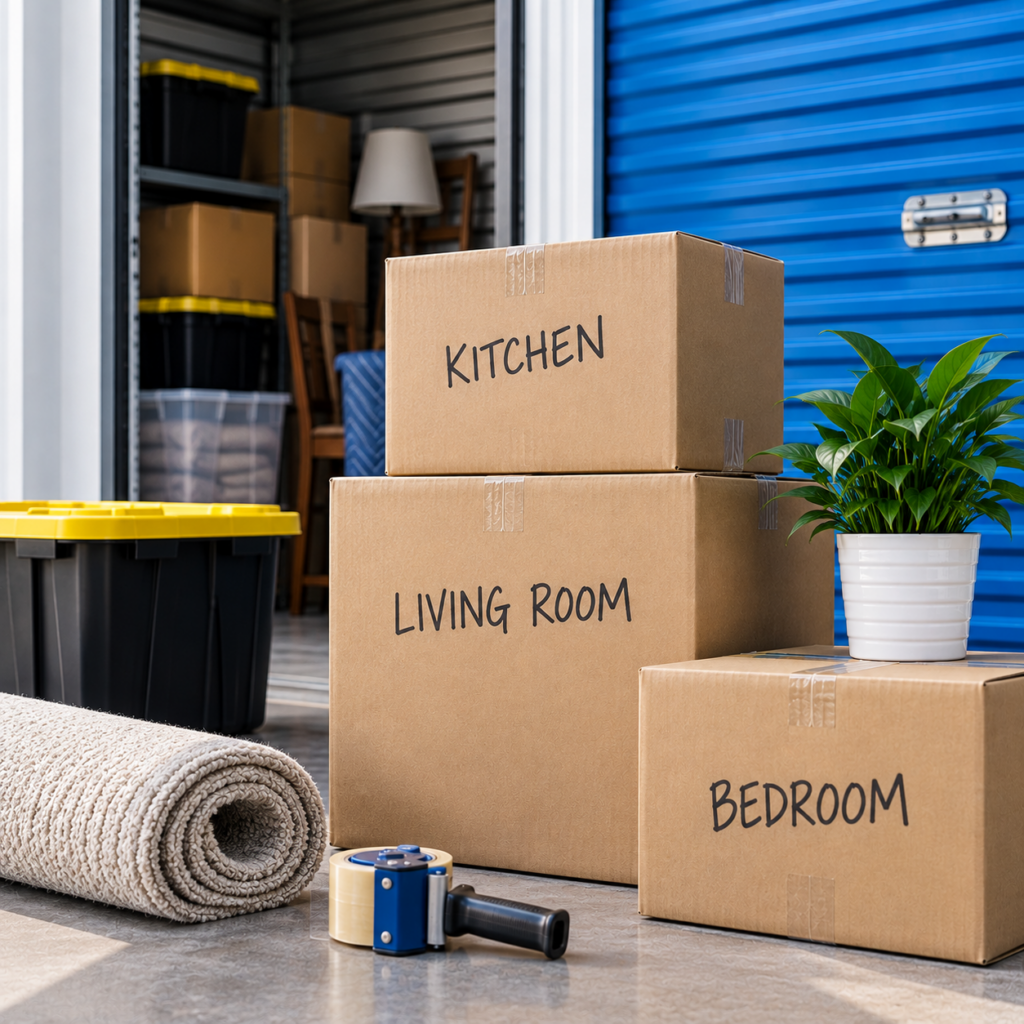
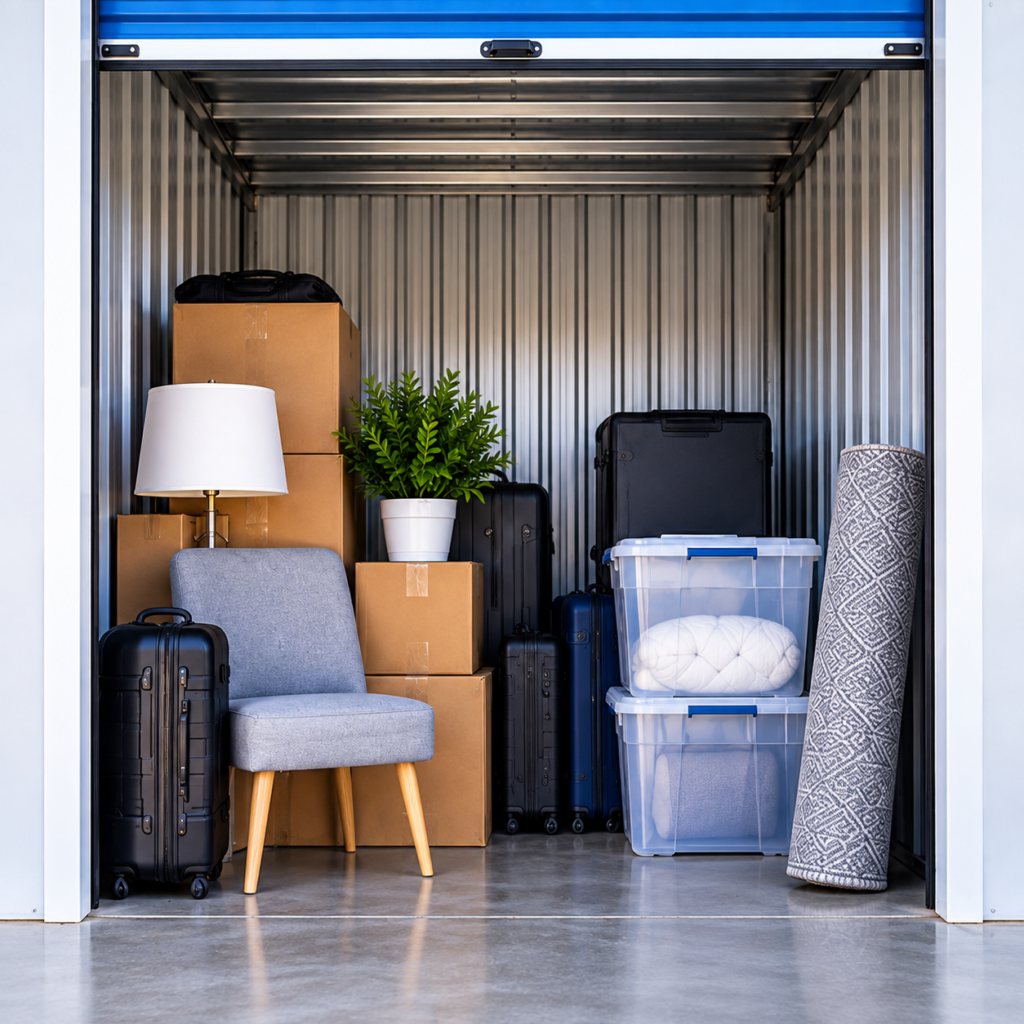
Does My Renters Insurance Cover a Storage Unit?
If you already have renters insurance, your policy may extend some personal property coverage beyond your apartment or rental home.
That can potentially include belongings stored in a self storage unit. But the details matter.
Your off-premises coverage limit may not be identical to the personal property limit shown on the front of your policy. Certain belongings may also have separate limits, and not every type of loss is necessarily covered.
Before storing your belongings, ask your renters insurance provider: “How much coverage does my policy provide for personal property kept in a self storage unit?”
Then ask what deductible, exclusions, and special limits apply. That conversation can give you a much more useful answer than simply knowing that renters insurance may cover stored property.
Renters Insurance for a Storage Unit
If your current renters insurance provides adequate off-premises coverage for your stored belongings, you may already have some of the protection you're looking for.
If it doesn't, ask your insurance provider what options are available.
When comparing renters insurance for a storage unit, think about what you're actually putting into storage.
Consider whether you're storing items such as:
- Furniture
- Electronics
- Tools and equipment
- Appliances
- Collectibles
- Business inventory or supplies
- Other higher-value belongings
A unit containing inexpensive household items presents a different insurance question than one containing higher-value property.
Storing business property? Personal renters insurance may not necessarily cover business inventory, tools, equipment, or other commercial property. Discuss business property specifically with your insurer or a licensed insurance professional.
How Much Insurance Do You Need for a Storage Unit?
Start by figuring out what your belongings are worth.
Create an inventory of the major items going into storage and estimate what it would cost to replace them.
Consider furniture, electronics, appliances, tools, clothing, sporting equipment, and other household belongings. Don't overlook the combined value of dozens of smaller items.
Before moving into storage:
- Make an inventory of what you're storing.
- Estimate replacement values.
- Photograph higher-value belongings.
- Keep receipts or serial numbers when appropriate.
- Ask your insurer how much off-premises coverage applies.
- Compare that coverage with the value of your stored belongings.
If the value of your belongings exceeds the amount your policy would cover while they're in storage, that's something you'll want to understand before a loss occurs.
Your insurance provider can help you determine whether your existing coverage is appropriate for your situation.
What Isn't Covered by Renters or Homeowners Insurance?
There is no single list that applies to every policy. Insurance exclusions vary.
A particular cause of loss may be covered under one policy and excluded under another. Certain categories of belongings can also have special coverage limits.
That's why we don't recommend relying on a generic list of “covered” and “not covered” events when deciding whether your storage belongings are protected.
Ask your insurance provider about the specific risks you're concerned about. Your actual insurance policy—not a storage company's website—is what determines your coverage.

Does a Secure Storage Facility Replace Insurance?
No.
Choosing a storage facility with security features is important, but facility security and personal property insurance serve different purposes.
Storage Kings facilities are designed to provide customers with clean, secure storage and convenient access. Security features can help protect the property, but they cannot eliminate every possible risk.
Insurance is a separate layer of financial protection that may apply when a covered loss occurs. The best approach is to choose a storage facility you're comfortable with and understand how your belongings are insured.
What Should You Ask Your Insurance Company Before Renting a Storage Unit?
Before moving your belongings into storage, call your insurance provider and tell them you're planning to rent a self storage unit.
Ask your insurance provider:
- Does my renters or homeowners policy cover belongings in self storage?
- How much off-premises coverage applies?
- What deductible would I pay?
- What types of losses are covered?
- What exclusions apply?
- Do particular belongings have separate coverage limits?
- Does the length of time in storage affect my coverage?
- Do I need to notify you that I'm renting a storage unit?
If you're storing valuable or unusual property, mention those items specifically. If you're storing business property, tell your insurer that too.
Finally, ask whether they need any documentation from the storage facility or whether you need to update your policy.
A short conversation before you move in can prevent significant confusion later.
Protecting Your Belongings in Storage
Insurance is only one part of protecting your stored belongings.
Pack and store items properly. Keep furniture and other belongings clean and dry before storage. Use sturdy boxes and appropriate protective materials, and avoid unstable stacking.
Keep an inventory of valuable belongings and consider taking photographs before putting them into storage.
If certain belongings are sensitive to environmental conditions, consider whether climate-controlled or heated storage would be appropriate for what you're storing.
And don't store prohibited items or anything that isn't allowed under your rental agreement.
Find Storage at Storage Kings
Understanding your insurance coverage is an important part of preparing to rent a storage unit.
Before moving in, review your renters or homeowners policy and talk directly with your insurance provider about coverage for belongings stored away from your residence.
Then choose a storage space that fits what you actually need to store.
Storage Kings offers a range of storage options in Fargo and Bismarck, including traditional drive-up storage, climate-controlled or heated options at select locations, large vehicle and equipment storage, and additional storage solutions.
We also offer month-to-month rentals at all Storage Kings facilities, giving you flexibility as your storage needs change.
Important: This article provides general educational information only and is not legal, insurance, or financial advice. Insurance policies, coverage limits, exclusions, deductibles, and requirements vary. Contact your insurer or a licensed insurance professional for advice about your specific coverage.
Find the Right Storage Unit
Compare current Storage Kings availability and find the size and storage type that fits what you need to store.