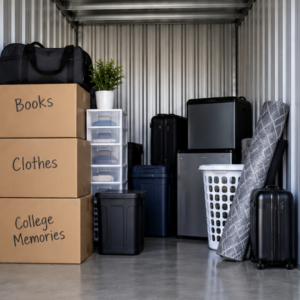
How to Pack a Storage Unit: Make the Most of Your Space
Knowing how to pack a storage unit can make a big difference in how much you can fit—and how easy it is to find your belongings later.
The goal isn't to pack everything as tightly as possible. A well-packed storage unit uses the available space efficiently while keeping belongings protected, organized, and accessible.
Whether you're storing furniture during a move, household belongings between homes, business inventory, or seasonal items, a little planning before you start loading can save you time later.
How to Pack a Storage Unit Efficiently
Before you start loading, make a plan.
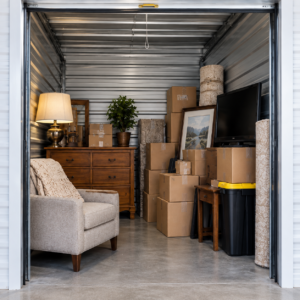
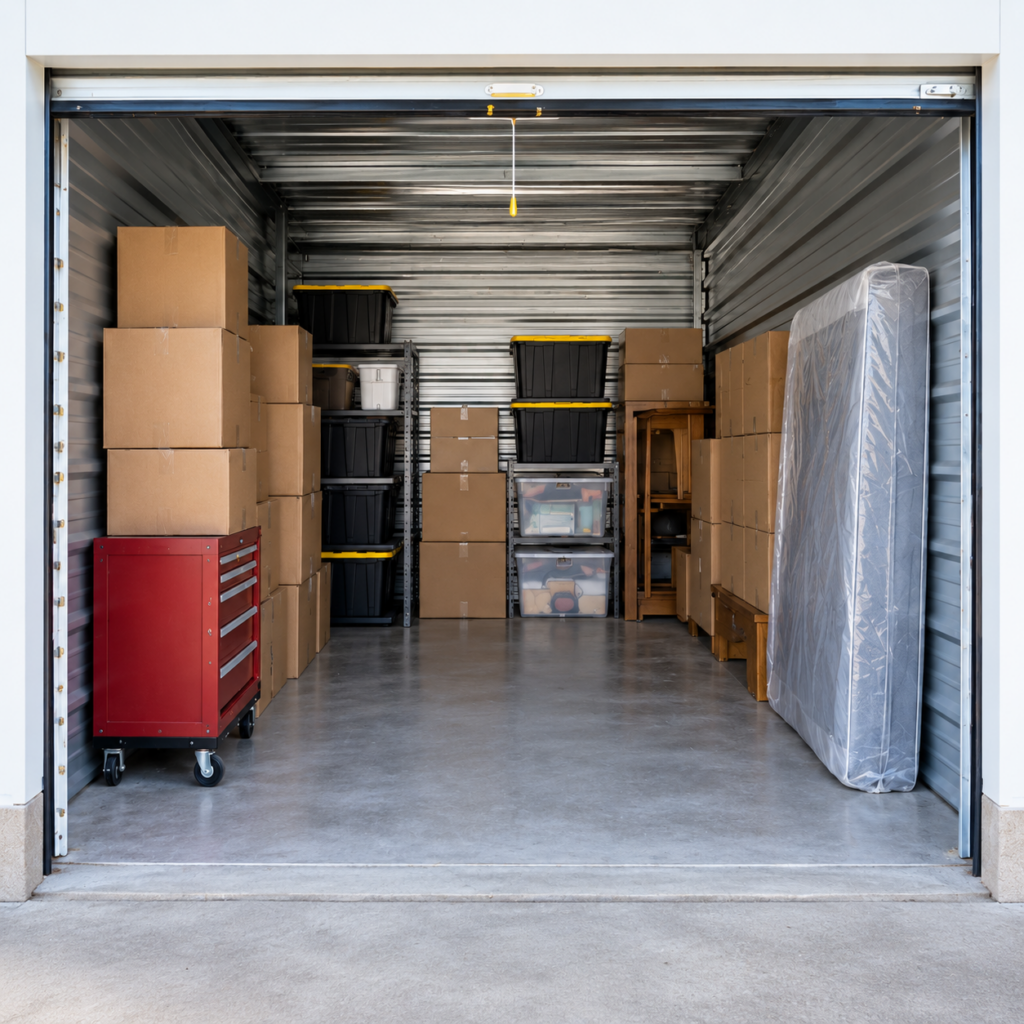
Place large, heavy items toward the back and bottom of the unit. Lighter and more fragile belongings should generally stay higher and away from anything that could shift or fall.
Start With a Simple Packing Plan
- Put large, heavy belongings toward the back and bottom.
- Keep lighter and fragile items higher.
- Use sturdy boxes or totes in similar sizes when possible.
- Label boxes on more than one side.
- Keep items you may need again closer to the front.
- Leave a walkway in larger units if you'll need regular access.
Using boxes and totes in similar sizes can make a major difference because they're easier to stack securely than a mixture of bags, baskets, and oddly shaped containers.
If you're storing items you may need before moving out, keep those belongings closer to the entrance.
For larger units, consider leaving a narrow walkway through the space. Giving up a small amount of storage capacity for an aisle can save you from unloading half the unit every time you need something from the back.
How to Pack a 10x10 Storage Unit
A 10x10 storage unit provides 100 square feet of floor space, so organization becomes especially important if you're trying to use most of the available room.
Start with your largest furniture pieces. Place sturdy, heavy items toward the back and use the walls strategically while keeping the door and access areas clear.
Disassemble tables, bed frames, shelving, and other furniture when practical. Stack boxes with the heaviest on the bottom and lighter boxes above them.
Avoid stacking so high that boxes become unstable.
Furniture and shelving can also help you use otherwise empty space. Depending on the item, space beneath tables or inside appropriate furniture may provide room for smaller belongings.
Fargo comparison: Storage Kings Fargo's 12x10 drive-up unit provides 120 square feet of floor space—20% more than a traditional 10x10.
If you'll need access to anything during storage, create a narrow aisle rather than packing the entire space from wall to wall.
How to Pack a 5x10 Storage Unit
A 5x10 storage unit provides 50 square feet of floor space.
With a smaller unit, using vertical space efficiently becomes particularly important.
Place large, stable belongings toward the back. If you're storing furniture that can safely be disassembled, taking it apart can free up significant room.
Keep long, narrow pieces organized rather than laying everything flat across the floor. Stack sturdy boxes carefully and keep frequently needed items near the front.
Small Unit Packing Priorities
- Use vertical space carefully.
- Disassemble furniture when practical.
- Keep stable, heavy belongings low.
- Organize boxes by category.
- Keep frequently needed belongings near the door.
Storage Kings North Bismarck offers 5x10 climate-controlled storage. Fargo does not have a 5x10 in its current size lineup; the smallest Fargo size we've identified is a 12x10 drive-up unit with 120 square feet.
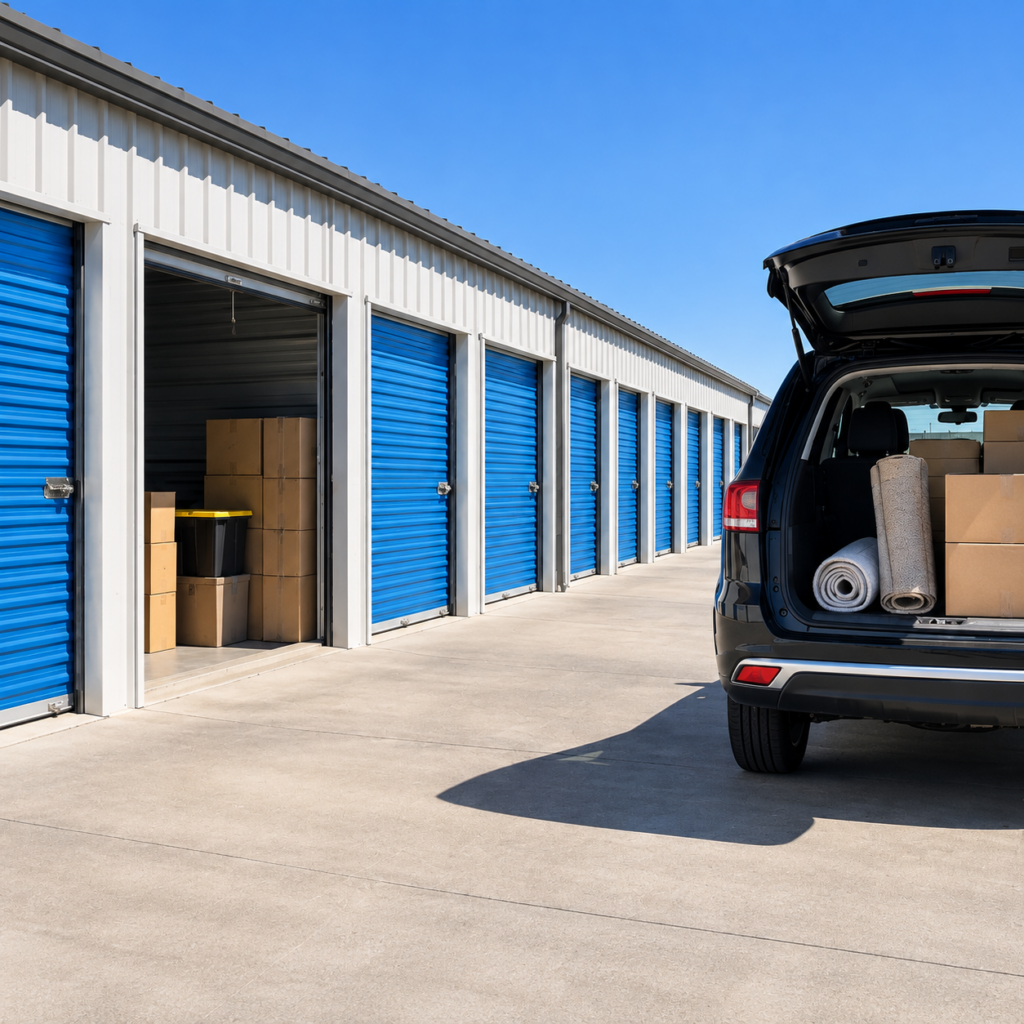
How to Pack Furniture in a Storage Unit
Furniture takes up a lot of space, but it can often be packed more efficiently with some preparation.
Start by cleaning furniture and making sure everything is completely dry before storage.
Disassemble pieces when practical. Remove legs from tables, take apart bed frames, and break down other furniture designed to be disassembled.
Keep screws, bolts, and other hardware in labeled bags and attach them securely to the corresponding furniture or keep them together in a clearly labeled container.
Protect Furniture Before Storing It
- Clean and dry furniture completely.
- Disassemble larger pieces when practical.
- Label and organize all hardware.
- Use appropriate furniture covers or moving blankets.
- Protect mattresses with a proper storage bag or cover.
- Avoid putting heavy boxes or sharp objects on upholstered furniture.
Be careful with plastic coverings that could trap unwanted moisture against certain materials.
Mattresses should be clean and dry before storage and protected with an appropriate mattress-storage bag or cover.
For more detailed guidance on mattresses, couches, wood furniture, and leather furniture, see our guide on how to store furniture in a storage unit .
Start With the Heaviest Items
A good rule for packing a self storage unit is to build from the bottom up.
Heavy, sturdy belongings belong near the floor.
Lighter and more fragile belongings should generally go higher.
Think about the weight of every stack. A heavy box full of books should not sit on top of a box containing glassware or other fragile belongings.
You also want stacks to remain stable over time. Avoid building tall towers of boxes that could lean, collapse, or fall when you begin removing items.
Efficiency matters, but stability matters more.
Use Boxes and Totes That Stack Well
Consistent box sizes make storage easier.
If possible, use a few standard sizes rather than dozens of differently shaped boxes.
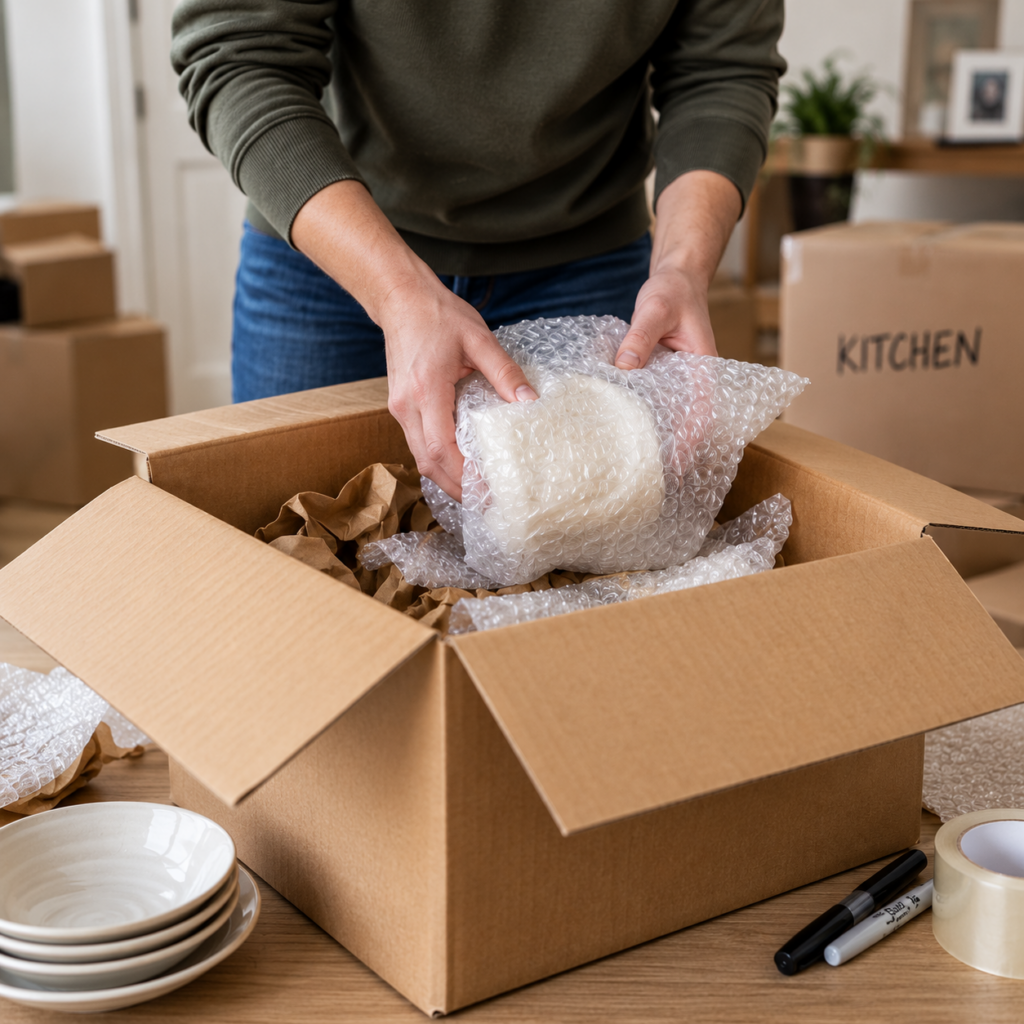
Clear plastic totes can make it easier to see what's inside, while cardboard moving boxes can be economical and easy to label.
Whichever you choose, don't overfill containers until they're bulging or too heavy to safely move.
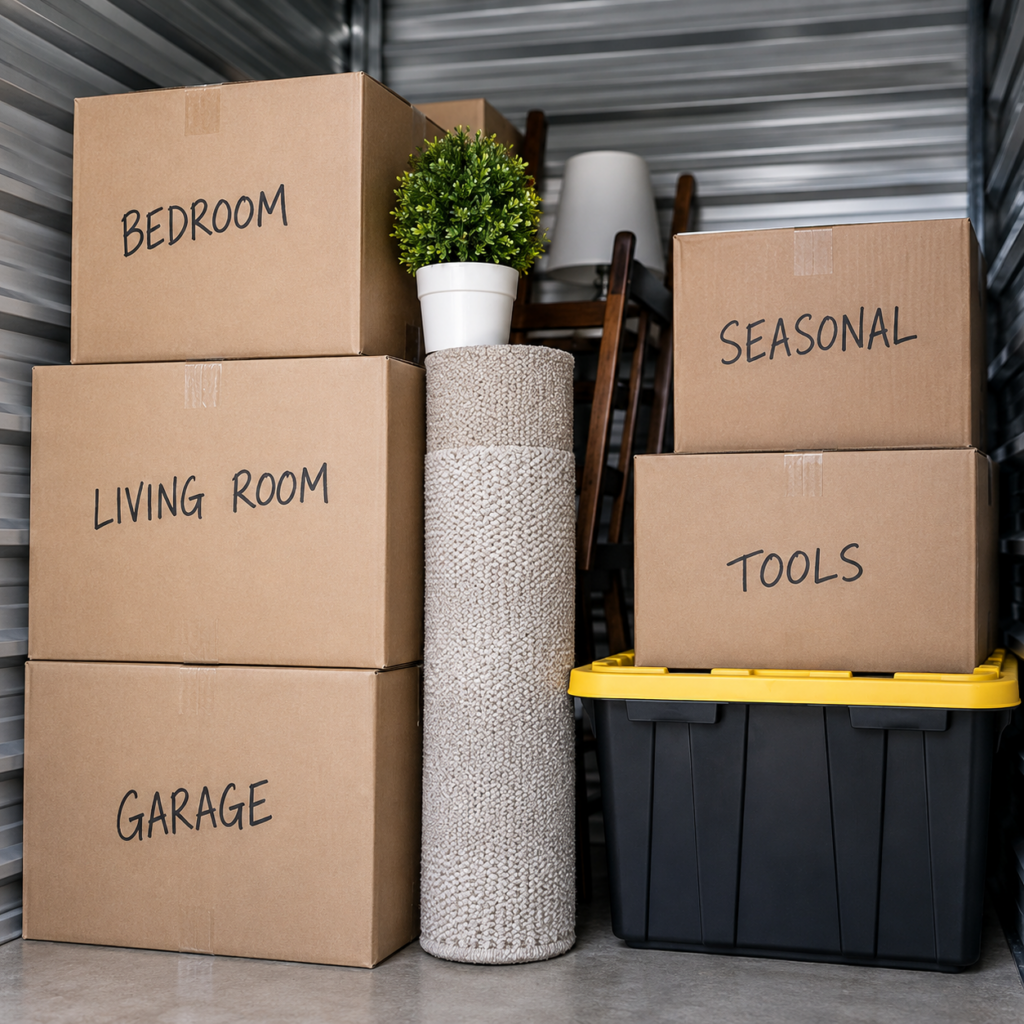
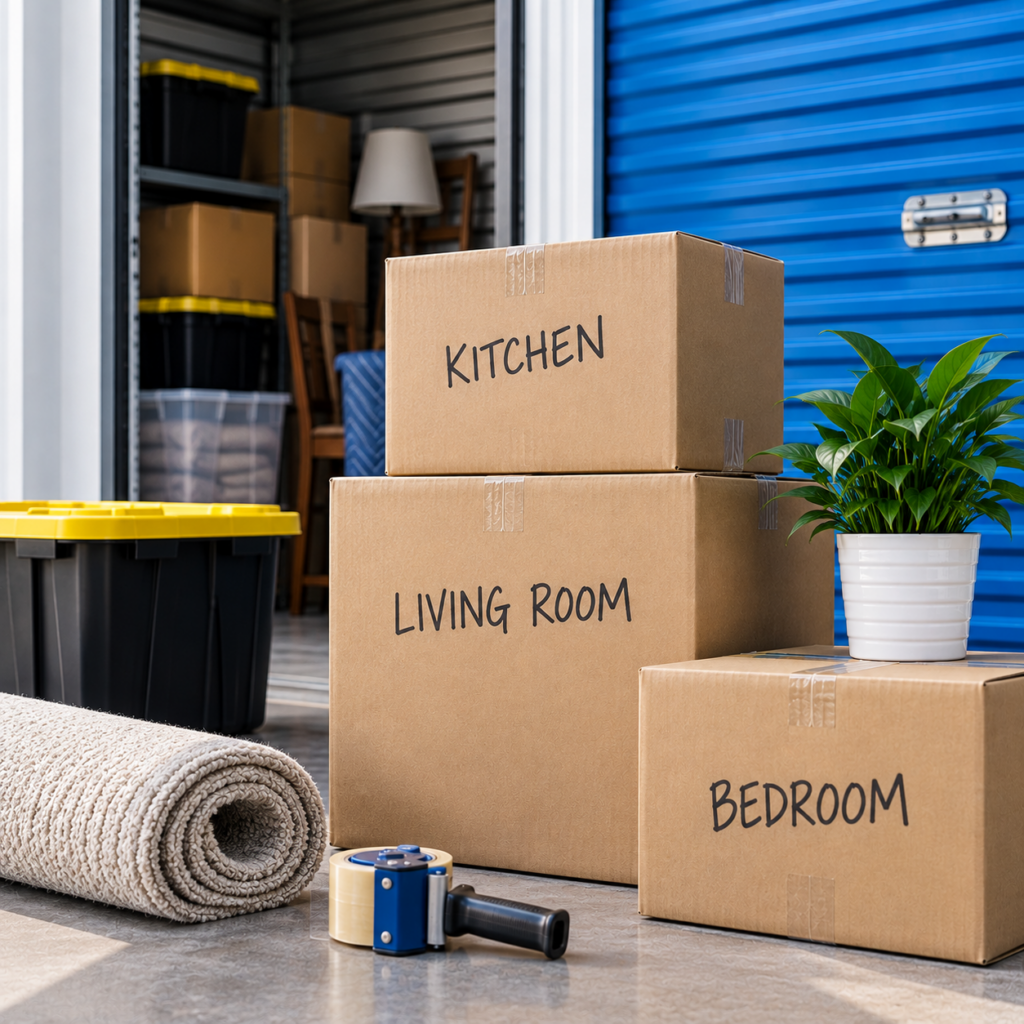
Use Specific Labels
Instead of writing “Misc.”, use labels that tell you exactly what's inside:
- Kitchen — Pots & Pans
- Bedroom — Winter Clothes
- Office — Files
- Garage — Hand Tools
That little bit of extra effort can make finding things much easier later.
Create a Storage Unit Inventory
You probably won't remember exactly where everything is three months from now.
Create a simple inventory as you pack.
You can keep a list on your phone showing which boxes and larger items went into storage. Numbering your boxes can make this even easier.
Simple Inventory Example
- Box 1 — Kitchen dishes
- Box 2 — Books
- Box 3 — Winter clothing
- Box 4 — Office supplies
For valuable belongings, consider keeping photographs, receipts, serial numbers, or other documentation where appropriate.
An inventory becomes especially useful when you're storing a large number of boxes or sharing a unit with someone else.
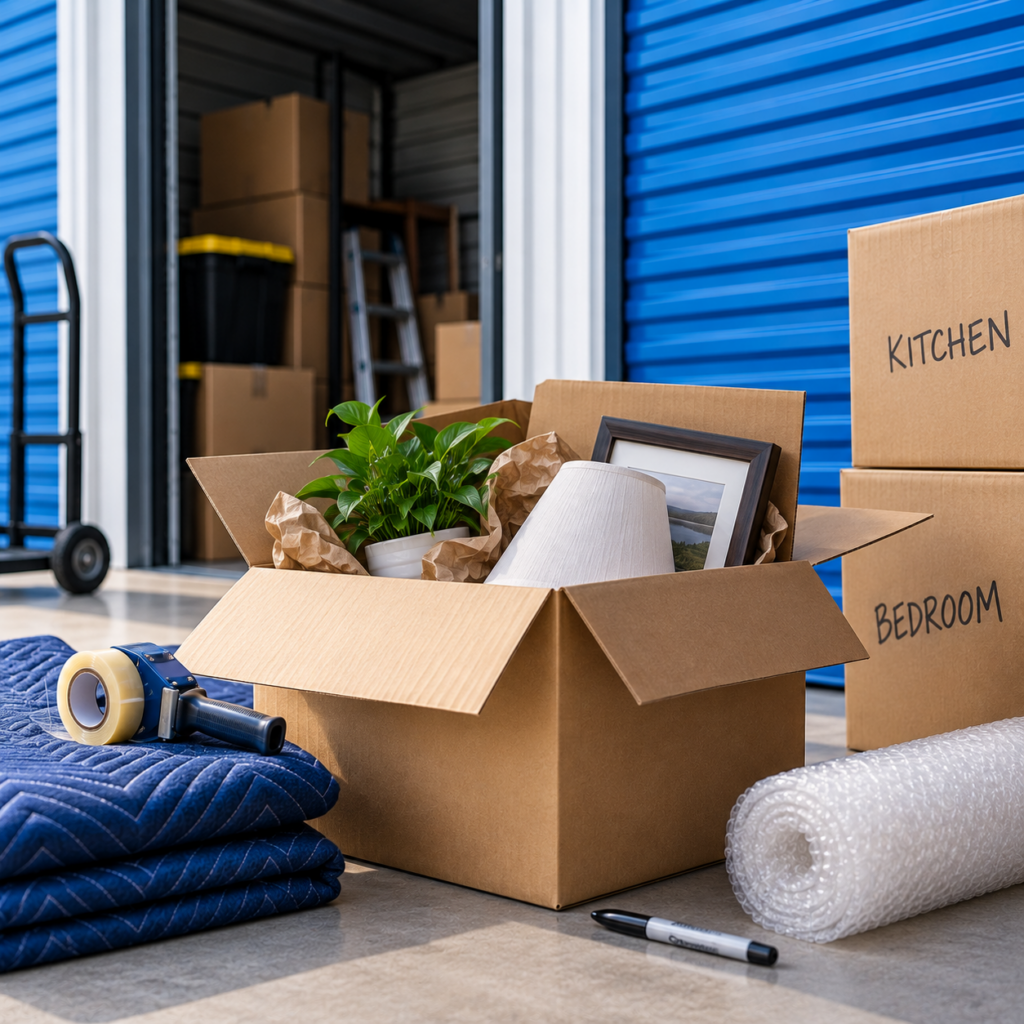
Leave a Walkway in Larger Storage Units
It's tempting to use every square inch of floor space.
But if you're going to access the unit while you're renting it, a walkway can be more valuable than squeezing in a few additional boxes.
Consider creating a narrow aisle from the entrance toward the back of the unit. This gives you a path to reach belongings without having to unload everything in front of them.
Place items you expect to need frequently closer to that aisle or near the front. Seasonal belongings you won't need for months can go farther back.
If you're storing everything until one final move-out date and don't expect to access the unit, you may be able to pack more densely. Just make sure everything remains stable and safely accessible when it's time to unload.
Use Vertical Space Carefully
A storage unit isn't just floor space.
Using height effectively can substantially increase how much you can store.
Stack sturdy boxes where appropriate and use stable shelving if permitted and useful for your belongings. Tall furniture can also sometimes make better use of the space when positioned appropriately.
Pack Up, But Pack Safely
- Keep heavy belongings low.
- Put lighter boxes higher.
- Avoid unstable stacks.
- Use sturdy shelving when appropriate.
- Don't lean heavy objects where they could fall.
- Keep the entrance and walkway clear.
Don't confuse packing high with packing safely. Using vertical space only helps when the belongings remain stable and manageable when it's time to retrieve them.
What Should Go Near the Front of a Storage Unit?
Anything you're likely to need should stay accessible.
That could include:
- Seasonal clothing
- Tools
- Business inventory
- Important documents
- Sports equipment
- Holiday decorations
- Frequently used household items
- Moving supplies
You can also keep a small open area near the entrance so you have room to move boxes around without pulling belongings into the drive lane.
If you're storing during a move and don't expect to return until moving day, accessibility may be less important. In that situation, concentrate more heavily on efficient and secure packing.
Don't Pack Items Before They're Clean and Dry
One of the simplest storage tips is also one of the most important:
Don't put dirty or damp belongings into storage.
Make sure furniture, appliances, outdoor equipment, and other belongings are clean and completely dry before packing them away.
Remove food and other prohibited or perishable items.
For appliances, follow the manufacturer's recommendations for storage. Clean and dry them thoroughly before moving them into the unit.
Packing carefully at the beginning can help keep your storage space cleaner and make unpacking much more pleasant later.
Choose the Right Storage Unit Size Before You Pack
Efficient packing can't fix a unit that's simply too small for your belongings.
Before renting, make a rough inventory of what you plan to store and measure the largest pieces. Then compare your needs with the available unit dimensions.
Before Choosing a Size
- Make a list of the larger items you're storing.
- Measure furniture, equipment, and other oversized belongings.
- Estimate how many boxes or totes you'll have.
- Decide whether you need a walkway for regular access.
- Consider whether your storage needs could change during your rental.
Storage Kings offers a wide variety of sizes, from smaller household-storage options at select Bismarck locations to much larger storage spaces in Fargo for furniture, vehicles, business inventory, equipment, and other needs.
Our Storage Unit Size Guide can help you compare common dimensions and determine how much space may be appropriate.
Choosing the right size from the beginning matters. It can save you from trying to force too much into a small unit—or paying for significantly more space than you need.
Pack Smarter With Storage Kings
The best way to pack a storage unit is simple: plan before you load.
Use sturdy boxes. Label everything. Put heavy belongings on the bottom. Disassemble furniture when practical. Use vertical space safely. Keep frequently needed belongings accessible. And leave yourself a walkway if you'll be visiting the unit regularly.
Most importantly, start with a storage unit that fits what you're actually storing.
Storage Kings offers month-to-month storage in Fargo and Bismarck, with a variety of sizes and storage types depending on location and availability.
Whether you need space for a move, furniture, seasonal belongings, business inventory, equipment, or something larger, choosing the right unit and packing it carefully can make your storage experience much easier from move-in to move-out.
Find the Right Storage Unit
Compare current Storage Kings availability and find the size and storage type that fits what you need to store.